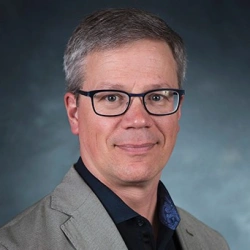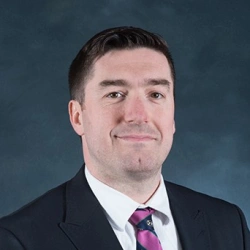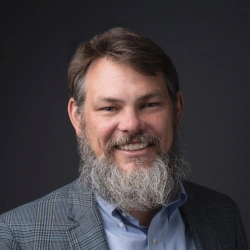


Dr. Michael A. Matthay, MD, holds a distinguished position as Professor of Medicine and Anesthesia at the University of California, San Francisco (UCSF). Driven by a deep commitment to advancing medical understanding, Dr. Matthay currently serves as the Principal Investigator for a significant project. This initiative, part of the PETAL Network, focuses specifically on the prevention and early treatment of acute lung injury. It's an ambitious undertaking, planning to enroll forty patients each year into clinical trials conducted within Emergency Departments and Intensive Care Units across four hospitals in Northern California.
His research expertise is particularly focused on identifying patients at risk for Acute Respiratory Distress Syndrome, or ARDS. Dr. Matthay's work is truly central to developing and evaluating new treatments for ARDS, which is so critical given its severe impact on breathing. A notable example of his contributions includes leading a phase 1/2a clinical trial that explored the potential of using allogeneic, bone marrow-derived human mesenchymal stem cells as a possible therapy.
Looking ahead, the project under Dr. Matthay's guidance is set to move into later stages, specifically phase 3 and phase 2b trials. These upcoming trials are carefully designed to rigorously test therapeutic approaches for patients experiencing early lung injury and those with severe ARDS, respectively. His ongoing dedication in this vital area clearly highlights a strong commitment to improving patient outcomes through both innovative research and its practical application in the clinic.
A key characteristic of Dr. Matthay's work is his collaborative spirit. He actively engages with multiple hospitals and research centers, ensuring that the clinical trials are comprehensive and can make a real impact. His efforts do more than just add to the scientific community's knowledge about ARDS; they also actively help pave the way for new treatment options that could genuinely change the trajectory of this challenging condition for patients.
Through his dedicated leadership and impactful research, Dr. Matthay continues to shape the field of respiratory medicine. He is constantly striving to bring about meaningful progress in how we prevent and treat acute lung injuries. His work stands as a source of hope for both patients and the healthcare providers who care for them, as he tirelessly works to translate research discoveries into practical, life-saving therapies.
, 2006-09-06
, 1820-1831, 2018-11-01
, 2020-09-21
, 367-376, 1995-02-01
, 2020-08-15
, 2008-03-21
, 63-69, 2002-07-01
, 1890-1896, 2000-05-01
, 2020-06-07
, 469-475, 2014-04-15
, 17-27, 1999-12-13
, 1034-1047, 2009-10-01
, L393-L399, 2023-04-01
, 1743-1750, 1997-06-01
, 2007-09-27
, L679-L689, 2004-04-01

University of California-San Francisco is a leading graduate health sciences institution dedicated to advancing health worldwide. Its dynamic, collaborative environment across modern facilities fosters groundbreaking research and compassionate patient care, shaping the future of health and discovery.

The University of California-San Francisco Department of Medicine, located in San Francisco, California, stands as a global leader in medical education, research, and patient care. As the largest department within the esteemed UCSF School of Medicine, it consistently ranks among the top nationally, recognized for its innovative approaches and significant contributions to healthcare. Operating across multiple sites including the main UCSF Medical Centers and Zuckerberg San Francisco General Hospital, the department fosters a collaborative, interdisciplinary environment. This setting supports groundbreaking research across diverse areas like cancer and infectious diseases, provides comprehensive clinical training through highly-rated residency and fellowship programs, and delivers exceptional patient care. Guided by the mission Advancing Health Worldwide and core values, the department is dedicated to training future medical leaders and addressing global health challenges.
View Medicine