


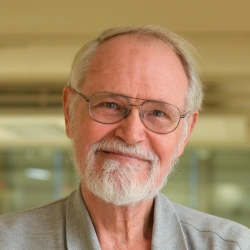
Dr. Keith R. McCrae stands out as a distinguished figure in the realm of vascular biology, holding esteemed professorships within the Departments of Molecular Medicine and Pathology at the School of Medicine. His expertise is also a vital asset to the Developmental Therapeutics Program at the Case Comprehensive Cancer Center. At the heart of Dr. McCrae's work is a deep commitment to unraveling the intricate workings of vascular function, exploring how these processes unfold in both healthy states and during illness. A significant focus of his pioneering research lies in the antiphospholipid syndrome, investigating its profound implications for the health of our blood vessels.
His investigations venture into the fundamental components that govern vascular health, particularly focusing on high molecular weight kininogen. This molecule is a crucial player in regulating how our blood vessels function, and Dr. McCrae's research meticulously explores the complex ways kininogen influences vascular well-being. His efforts are aimed at uncovering mechanisms that could potentially pave the way for innovative new treatments. Beyond kininogen, his curiosity extends to the study of microparticles – tiny vesicles circulating in the body that are increasingly recognized for their significant roles in vascular diseases and even cancer. He is dedicated to improving how we detect these microparticles and understanding their functional impact on disease processes.
Throughout his career, Dr. McCrae has made substantial contributions that have significantly advanced the scientific understanding of how vascular diseases develop and progress. His findings are widely published in prominent scientific journals, enriching the collective knowledge of the research community. More than just academic contributions, his work carries tangible promise for improving the lives of patients, offering potential pathways to better clinical outcomes for those affected by vascular conditions.
Dr. McCrae's passion for pushing the boundaries of research is beautifully complemented by his genuine dedication to nurturing the next generation of scientists and collaborating with his peers. He actively fosters an environment where ideas can flourish and innovation thrives. His leadership role within the Case Comprehensive Cancer Center further highlights his commitment to ensuring that discoveries made in the lab are effectively translated into practical applications that directly benefit patient care, ultimately striving to enhance health and recovery.
, 10-11, 2020-11-05
, 32-33, 2020-11-05
, 3800-3800, 2018-11-29
, 3456-3456, 2015-12-03
, 210-210, 2016-12-02
, 3325-3325, 2012-11-16
, 3560-3560, 2013-11-15
, 425-425, 2018-11-29
, 1079-1079, 2015-12-03
, 4999-4999, 2014-12-06
, 3423-3423, 2013-11-15
, 4634-4634, 2015-12-03
, 1448-1448, 2014-12-06
, 955-955, 2013-11-15
, 4726-4726, 2015-12-03
, 100-100, 2014-12-06

The Department of Molecular Medicine at Case Western Reserve University in Cleveland, Ohio, United States, serves as a prominent hub for advanced research and education focused on the molecular underpinnings of human health and disease. It effectively bridges fundamental scientific discovery with clinical application, striving to unravel the molecular causes of illnesses and pave the way for innovative therapies. A significant strength is its close collaboration with the Cleveland Clinic Lerner Research Institute, providing a unique environment that fosters translational research, moving discoveries from the laboratory bench directly towards patient care. The department integrates diverse scientific disciplines to offer a comprehensive approach and is dedicated to training future scientists and physician-scientists prepared to contribute significantly to biomedical research and improve human health outcomes.
View Molecular Medicine





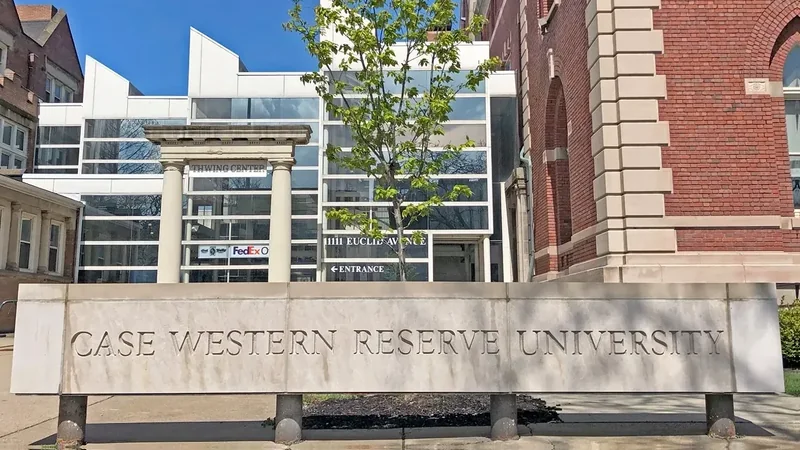
Case Western Reserve University (CWRU) is a private research university in Cleveland, Ohio. Founded in 1826 as Western Reserve College, the university was renamed Case Western Reserve University in 1967 after merging with Case Institute of Technology. CWRU comprises eight schools that offer more than 100 undergraduate programs and about 160 graduate and professional options. The university enrolls more than 12,000 students from all 50 states and 100 countries.