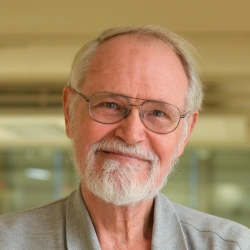
Michaela Liedtke's projects resonate with pressing global needs in the fields of cancer and hematology, focusing on advancing our understanding and treatment of complex diseases such as leukemia, multiple myeloma, and amyloidosis. As an Associate Professor of Medicine (Hematology) at Stanford University Medical Center, she is at the forefront of research and clinical practice, contributing significantly to the medical community's efforts to combat these challenging conditions.
Dr. Liedtke's academic journey began at the Medizinische Hochschule Hannover in Germany, where she received her medical education. Her pursuit of excellence led her to the United States, where she completed her residency at the Albert Einstein College of Medicine in New York. This diverse educational background has equipped her with a unique perspective and a robust foundation in medical science, which she has applied throughout her career.
At Stanford, Dr. Liedtke has taken on several key administrative roles that underscore her leadership and commitment to patient care and research. She serves as the Co-Director of the Stanford Amyloid Center, where she oversees initiatives aimed at improving the diagnosis and treatment of amyloidosis. Additionally, as the Medical Director of the Stanford Adolescent and Young Adult Program, she focuses on addressing the unique needs of younger patients facing cancer diagnoses. Her role as Cancer Center Program Lead for Hematology further highlights her dedication to advancing hematologic research and therapies.
Dr. Liedtke is an active member of several prestigious professional organizations, including the American Society of Hematology and the American Society of Clinical Oncology. Her involvement in these societies reflects her commitment to staying at the cutting edge of research and clinical practice, as well as her dedication to collaborating with fellow experts to drive innovation in the field.
Her research interests are deeply rooted in understanding the molecular and clinical aspects of cancer and hematologic diseases. By focusing on leukemia, multiple myeloma, and amyloidosis, Dr. Liedtke aims to develop more effective treatments and improve patient outcomes. Her work not only contributes to the academic community but also has a direct impact on the lives of patients and their families.
Through her research, teaching, and clinical practice, Dr. Michaela Liedtke continues to make significant strides in the field of hematology. Her dedication to advancing medical knowledge and improving patient care is evident in her numerous contributions to the field, making her a respected and influential figure in the global medical community.
, 1946-1946, 2010-11-19
, 18-19, 2020-11-05
, 4044-4044, 2010-11-19
, 2831-2831, 2007-11-16
, 5130-5130, 2019-07-01
, 907-907, 2004-11-16
, 9-15, 2018-11-30
, 2023-04-03
, 2023-04-03
, 744-754, 2017-08-31
, 2023-04-03
, 2023-04-03
, 650-660, 2015-06-01
, 63-70, 2010-07-08
, 2023-04-03
, 2023-04-03

The Department of Medicine at Stanford University, situated in Stanford, CA, serves as a vital part of Stanford Medicine, committed to improving human health through outstanding patient care, innovative education, and pioneering research. Integrated within the Stanford University School of Medicine, Stanford Health Care, and Stanford Children’s Health, it creates a dynamic setting where discoveries move quickly from the lab to clinical application. With fifteen divisions covering diverse internal medicine specialties, the department champions team science and collaboration across disciplines. It focuses on educating the next generation of medical leaders and conducting transformative research, striving to be at the forefront of precision health and medical advancement globally.
View Medicine
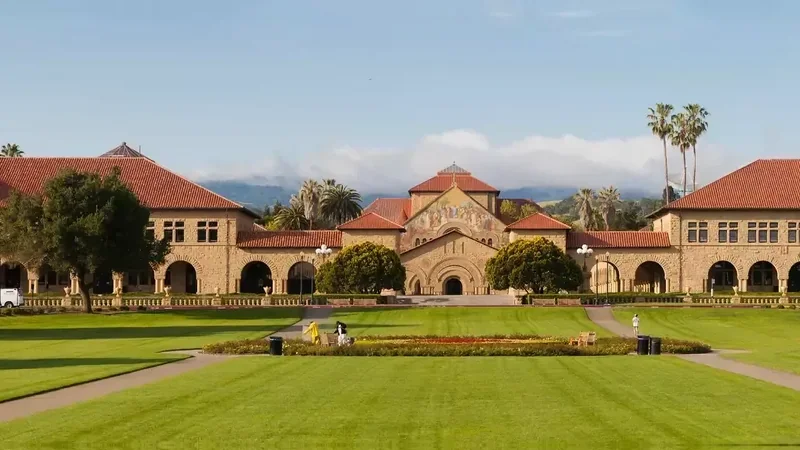
Stanford University is a private research university located in Stanford, California. Founded in 1885 by Leland and Jane Stanford, the university has grown to become one of the most prestigious universities in the world. Stanford is consistently ranked among the top universities in the world by major publications such as U.S. News & World Report and Times Higher Education.